Open 24/7, Monday to Sunday | Serving Stanley since 2019(701) 779-5565
Penelope Dumpster RentalDumpster Rental Stanley, ND
Dumpster Rental Stanley, ND

Local debris service

Dumpster Rental Stanley, ND

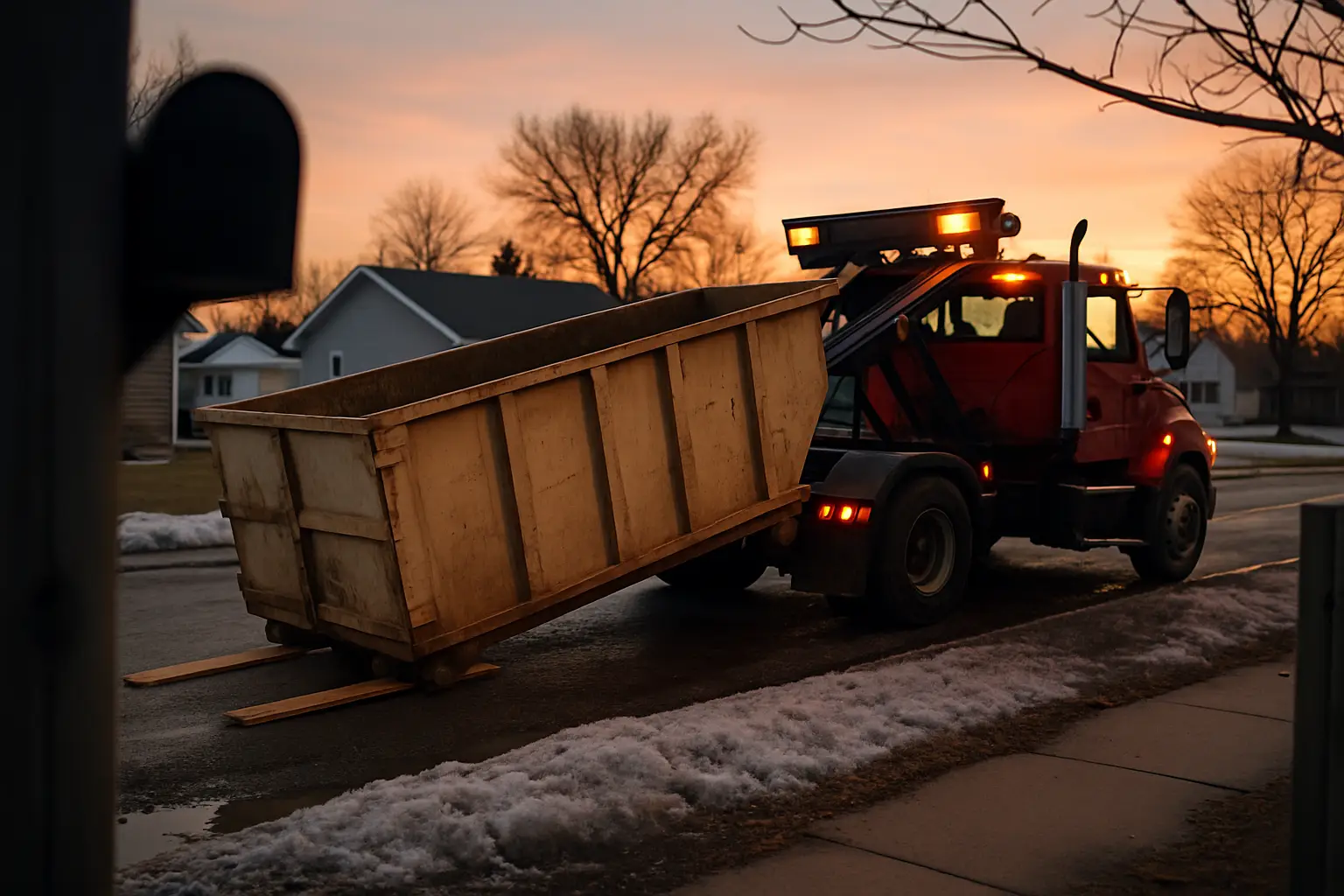
Penelope Dumpster Rental confirms placement before delivery, with access details documented for your property.

Dumpster Rental Stanley, ND is how Penelope Dumpster Rental helps homeowners, contractors, landlords, and businesses manage debris without guessing at placement. We match the container to the material, check the approach, and coordinate delivery for properties around Stanley. Service is available 24/7, Monday to Sunday.

  • Licensed, bonded and insured
  • Serving since 2019
  • 4371 containers delivered

Local operator

Stanley projects need practical container planning

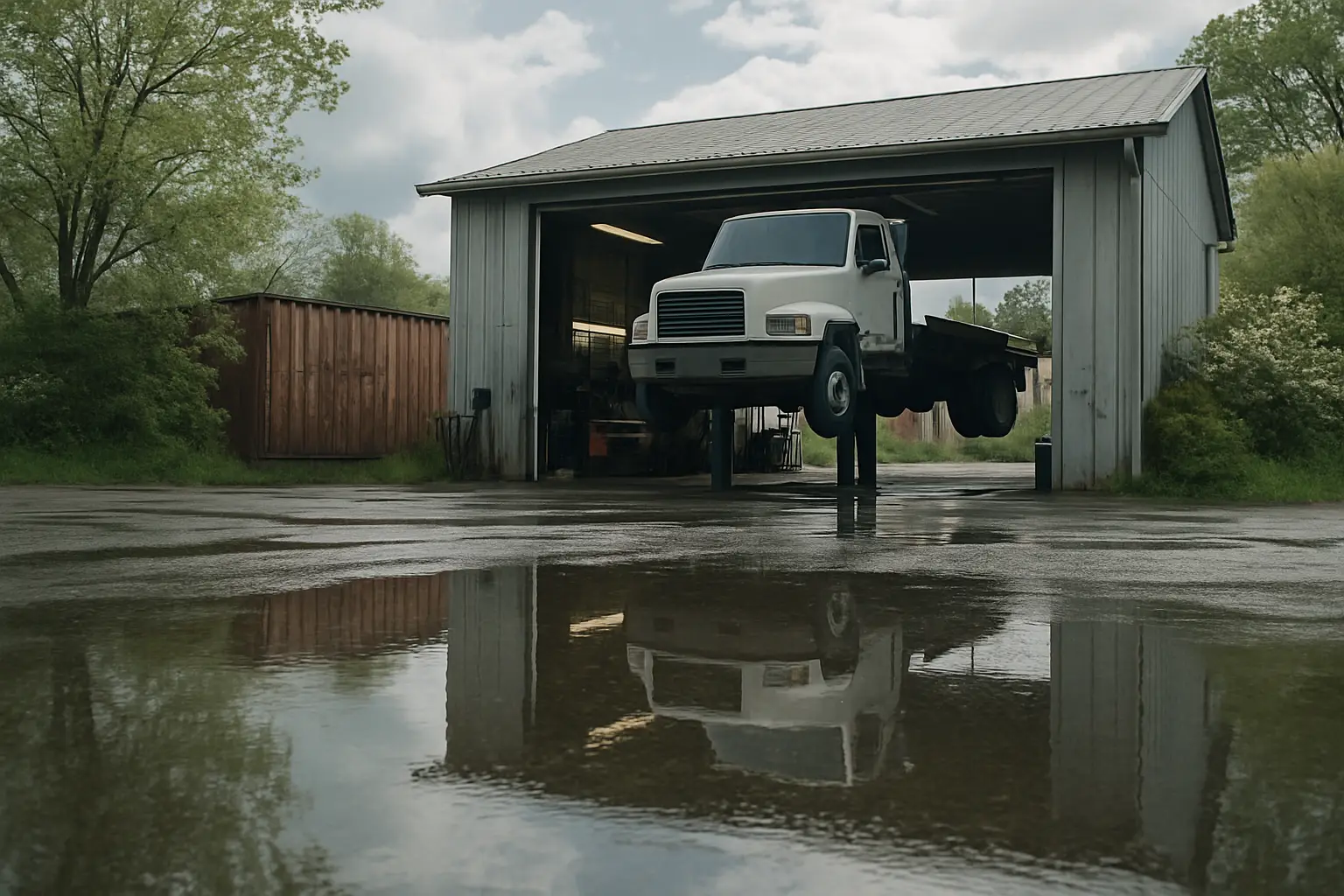
Penelope Dumpster Rental works with the conditions that make debris service different around Stanley. Rural driveways can be long, soft, narrow, or shared with farm traffic. A container that fits the project still has to fit the approach. Before delivery, we discuss the surface, overhead clearance, turning room, and the truck's path so placement does not become an afterthought. That check is especially useful during wet spring ground conditions, freeze and thaw cycles, and summer storms. We serve residential, commercial, and construction customers 24/7, Monday to Sunday, with straightforward guidance about size, material, and access.

The company has served the area since 2019 and has delivered 4371 containers. That experience does not mean every job gets the same recommendation. A small bathroom update may need a 10-Yard container, while roofing debris or a whole-home cleanout may require more room or a weight discussion. Penelope Dumpster Rental is licensed, bonded and insured. We will tell you when a smaller container is the sensible choice, and we will explain the loading limits before the truck arrives. Have the property address, material list, preferred placement, and access concerns ready for the call.
  • Open 24/7, Monday to Sunday
  • Serving Mountrail County

Placement planning

Where a dumpster can sit safely around Stanley

In Stanley, the easiest placement is usually a firm, level area on private property with a direct approach from the road. A driveway may work, but its width, slope, surface, and turning room matter. Gravel can be suitable when it is compact and stable, while wet ground after spring thaw or heavy rain deserves caution. Keep the planned spot away from gates, low branches, utility lines, septic access, and daily vehicle routes. A container on a public street usually needs local permission first, so explain the location before making that assumption. We can discuss whether the truck can reach a side yard, shop area, or rear drive without crossing ground that may rut or fail.

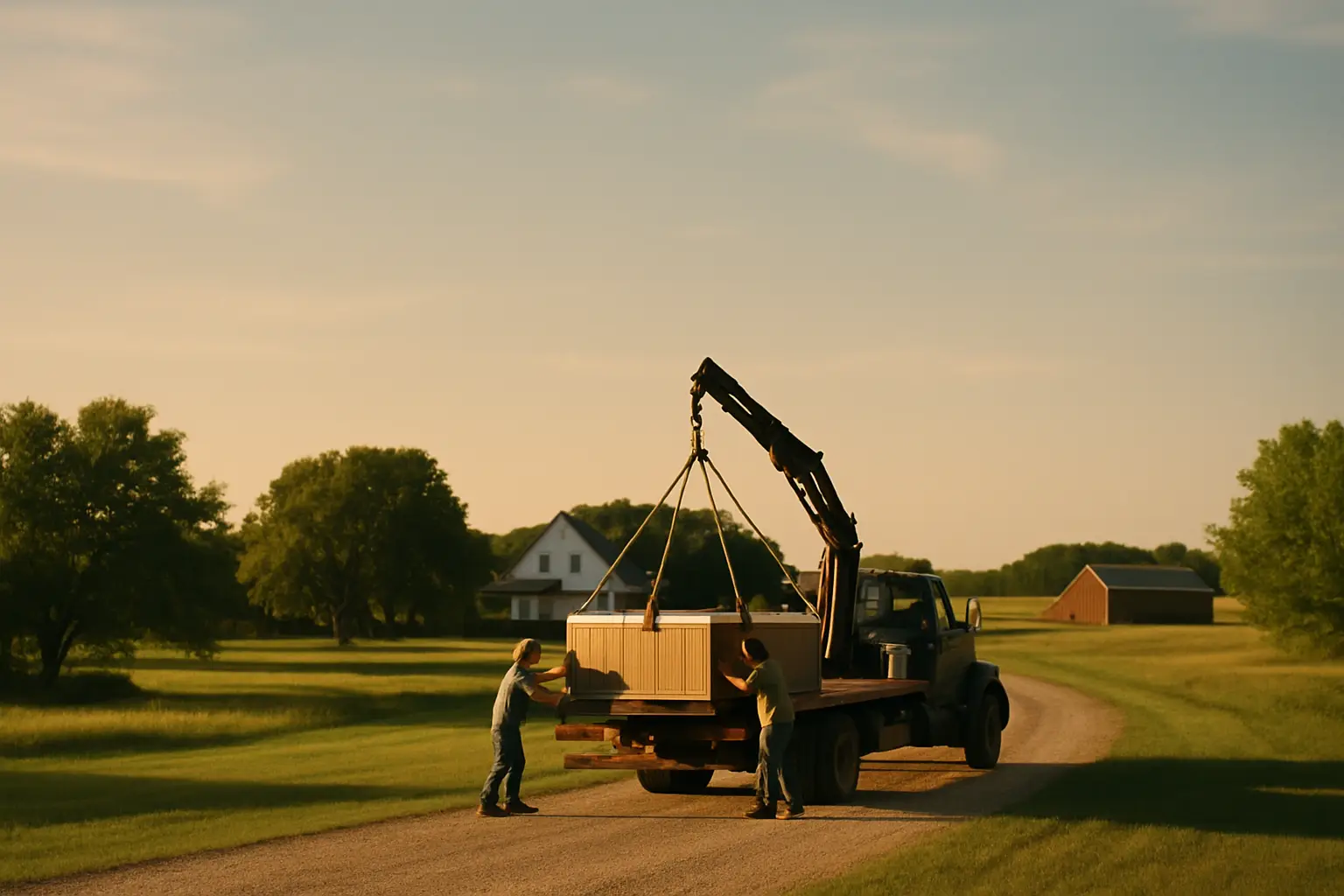
The truck needs more than the container footprint. It needs a usable entrance, clearance for its equipment, room to align with the placement area, and a surface that can handle delivery without creating a safety problem. Stanley properties may include long rural approaches, shared lanes, farm entrances, and driveways bordered by ditches or soft shoulders. Move cars, trailers, lumber, and equipment before delivery. Mark the preferred position clearly, but do not place objects underneath or beside it as makeshift guides. If access changes because of snow, construction, parked machinery, or a locked gate, mention that when scheduling. A driveway placement check before delivery helps protect rural access and the property itself.

Size and weight

Stanley homes change the size decision

Stanley's housing mix includes older homes, newer construction, detached garages, rural properties, and remodels that may generate very different debris. An older house renovation can produce plaster, lath, flooring, cabinets, and mixed fixtures, while a newer finish project may be mostly drywall, packaging, trim, and flooring. A basement or garage cleanout tends to include bulky household items that consume space without weighing like masonry. Roofing projects are another matter because shingles become dense quickly. The useful size question is not only how much debris exists. It is also what the material weighs, how it will be broken down, and whether the loading area allows safe distribution.

Stanley's freeze and thaw cycles, wet springs, wind, and summer storms can affect when debris is removed and where a container can sit. Heavy roofing, concrete, brick, dirt, and tile should be discussed before choosing a large container, because volume can look available while practical weight is already a concern. Loose branches and brush take up space but may load differently from compacted household debris. Break down cabinets and furniture when safe, keep heavy material spread across the floor, and never heap debris above the top edge. If your project combines light bulky items with dense material, describe both streams. The cheaper container is useful only when it matches the actual load.

Project options

Dumpster Rental Stanley, ND for the work ahead

Different debris creates different loading and placement problems. These common job types help identify the container and planning conversation that fits your project.

  • Residential Cleanout Dumpsters

    For basements, garages, spare rooms, and full household cleanouts, we help separate bulky items from dense materials before choosing a size. Stanley homes with narrow side drives or detached outbuildings may need a placement discussion before delivery.

    Home cleanouts
  • Moving and Estate Cleanup

    Moving and estate work often combines furniture, boxes, appliances, and miscellaneous household debris. We can help estimate the space needed while accounting for staged loading, driveway access, and the possibility that heavier material should not be mixed carelessly.

    Household transition
  • Home Renovation Debris

    Flooring, cabinets, drywall, trim, and fixtures fill containers differently than loose household items. Tell us which rooms are being changed and whether materials will be broken down. That information supports a more useful size recommendation for a Stanley renovation.

    Remodel debris
  • Roofing Debris Dumpsters

    Roofing tear-offs are dense, awkward, and often loaded from a driveway near the house. We discuss the roof area, material type, ground conditions, and safe truck access before delivery so the container is positioned where loading can actually happen.

    Roofing projects
  • Yard Waste Dumpsters

    Branches, brush, sod, and seasonal cleanup material take up space quickly. Keep soil, concrete, and other heavy debris separate unless approved for the selected container. We will discuss access across lawns and soft ground around Stanley properties.

    Outdoor cleanup
  • Same-Day Dumpster Delivery

    Some projects cannot wait for a later planning window. Availability is handled 24/7, Monday to Sunday, but an immediate delivery still depends on container availability, route conditions, access, and a safe placement plan. Share the deadline and site details early.

    Urgent scheduling
  • Concrete and Heavy Debris

    Concrete, brick, dirt, shingles, and masonry can exceed practical weight limits before a container looks full. We ask what the material is, how much is being removed, and where the truck must travel. A smaller container may be safer and more appropriate.

    Dense materials
  • Commercial Construction Dumpsters

    Commercial sites need predictable placement, clear loading areas, and coordination with equipment and workers. We discuss the site entrance, surface, overhead obstacles, material stream, and pickup needs so the container does not interfere with active construction traffic.

    Jobsite service
  • Recurring Business Waste Service

    Businesses with ongoing debris need a repeatable plan rather than a new guess every time. We can discuss container sizing, placement, access changes, material types, and scheduling for maintenance work, tenant turnover, retail updates, or light commercial operations.

    Ongoing debris

How it works

A clear plan keeps Stanley delivery manageable

  1. Describe the project

    Start with the material, approximate volume, project type, and desired placement. Mention concrete, dirt, roofing, appliances, or other dense items instead of calling everything general debris. Those details affect the size conversation and loading guidance.

  2. Review the access

    We discuss driveway width, surface, slope, overhead branches, utility lines, gates, turning room, and nearby structures. Rural Stanley properties often have longer approaches or shared lanes, so the truck route matters as much as the container location.

  3. Confirm the container

    The selected size should match both the debris and the available space. We will explain when a smaller container is enough, when a larger one prevents overflow, and when heavy material needs a separate plan before delivery is scheduled.

  4. Prepare the placement area

    Clear vehicles, trailers, loose tools, low branches, and anything blocking the planned position. Protect access for the truck and leave room for safe loading. If ground is soft after rain or thaw, tell us before the route is finalized.

  5. Load with care

    Distribute material instead of piling everything on one side, keep debris below the top edge, and follow the agreed material guidance. If the project changes, discuss the new material or volume before adding dense debris that could create a weight problem.

Related options

Choose another service when the material calls for it

Why customers choose us

Practical answers before the truck moves

  1. Placement is part of the job

    A container is not useful if the truck cannot reach the chosen spot or the ground cannot support it. We review the approach, clearance, surface, slope, and turning space before delivery. That is especially valuable outside town, where a long driveway may cross soft ground or share access with farm equipment. The goal is a workable placement, not simply an available space.

  2. Size advice stays tied to material

    A full container of cardboard is not the same as a partly filled container of concrete, shingles, or soil. We ask what is being removed and how it will be loaded, then explain the practical tradeoff between space and weight. If a smaller option fits your bathroom project or garage cleanout, we will say so rather than push unnecessary capacity.

  3. The schedule follows real conditions

    Penelope Dumpster Rental is available 24/7, Monday to Sunday. Delivery planning still depends on safe access, route conditions, container availability, and a clear placement plan. Snow, thawing ground, summer storms, or blocked rural lanes can change what is workable. Sharing those conditions early gives the crew useful information instead of leaving the problem until arrival.

Service standards

Details we check before delivery

  • Every placement discussion starts with the material and the property access.
  • Driveway surfaces receive attention when thaw, rain, or heavy traffic may affect support.
  • Overhead branches and utility lines remain part of the delivery conversation.
  • Containers stay clear of gates, parked vehicles, equipment, and active work zones.
  • Dense debris gets separate guidance because weight can matter before volume does.
  • Customers receive practical preparation instructions based on the selected placement.
  • Licensed, bonded and insured service supports residential and commercial project planning.
  • Scheduling is available 24/7, Monday to Sunday, subject to safe delivery conditions.

Common questions

Answers before you arrange delivery

What size dumpster do I need in Stanley?

The right size depends on material, volume, loading method, and available placement space. A 10-Yard container may suit a small bathroom update or garage cleanout, while a whole-home cleanout, roofing job, or major renovation may need more room. Stanley properties also require an access review. Have the project type, debris list, and placement area ready.

Can a dumpster go on my Stanley driveway?

A dumpster can often sit on a private driveway when the surface, slope, width, clearance, and truck approach are suitable. Gravel, thawing ground, narrow entrances, and shared rural lanes need closer review before delivery. Clear vehicles and equipment from the path, then provide the property address and describe the driveway surface and any overhead obstacles.

Do I need permission for a dumpster on the street?

A container placed on a public street usually needs local permission before delivery, while private-property placement may follow different requirements. The answer depends on the exact location and local rules in Stanley. Tell us whether the container must occupy a street, shoulder, or driveway so the applicable steps can be discussed before scheduling.

Can I put concrete or dirt in a dumpster?

Concrete, dirt, brick, tile, and similar materials may be accepted only with specific size and weight guidance. These materials become heavy before the container appears full, so they should not be treated like household debris. Describe the material and approximate amount first. Keep dense debris separate and spread it evenly if the selected container is approved.

How should I prepare for dumpster delivery?

Clear the placement area and the truck route of vehicles, trailers, tools, branches, and other obstructions. Confirm gates are open and mention slopes, soft ground, ditches, utility lines, or shared access. In Stanley, spring thaw and wet weather can change ground conditions, so report those concerns and have the preferred placement marked before delivery.

How quickly can a dumpster be delivered?

Delivery timing depends on container availability, route conditions, safe access, and confirmation of a workable placement. Penelope Dumpster Rental schedules service 24/7, Monday to Sunday, but no responsible operator should promise an arrival time without reviewing the site. Share your project deadline, address, access limits, and material list so the schedule can be evaluated accurately.

What cannot go in a dumpster?

Accepted materials vary by service plan and disposal requirements, so ask before loading chemicals, fuels, batteries, tires, liquids, appliances, electronics, or other restricted items. Ordinary renovation and household debris may be suitable when loaded properly. Set questionable materials aside, list them during the call, and do not mix them into the container before approval.

Can I rent a dumpster for a commercial project near Stanley?

Commercial construction, demolition, recurring business waste, and property cleanup can all require container planning around active equipment and worker access. We review the entrance, surface, overhead clearance, material stream, placement, and pickup needs before delivery. Have the site address, work phase, debris type, and safe loading area ready for the scheduling conversation.

Project planning

Bring the site details to the call

Penelope Dumpster Rental can help you narrow the size, placement, material, and scheduling questions before the project starts. Service is available 24/7, Monday to Sunday. A short, accurate description of the property is more useful than a guess based only on the number of rooms.

Phone

(701) 779-5565

The call covers your material, container size, placement area, access conditions, preparation steps, and scheduling needs.

Availability

24/7
Monday to Sunday, day and night

Have this ready

  • Property address
  • Debris and material list
  • Preferred placement area
  • Project timing

Where we work

Stanley, plus Ross, Palermo, Plaza, Powers Lake, Lignite, White Earth, Tioga, Ray, New Town and Parshall.

See the full service area list

Get the container plan right before cleanup starts

Tell Penelope Dumpster Rental what you are removing, where the container must sit, and what the truck will encounter. We will help you compare the practical options and prepare the Stanley property for delivery.

Click Here to Call(701) 779-5565

Nearby service area

Dumpster service around Stanley and nearby communities

Penelope Dumpster Rental serves projects in Stanley and nearby Mountrail County communities, including Ross, Palermo, Plaza, Powers Lake, Lignite, White Earth, Tioga, Ray, New Town, and Parshall. Rural access, road conditions, driveway surfaces, and placement rules can vary by property. Share the exact address and site conditions so the delivery plan reflects the actual location.

neighborhoods only?

Stanley town centerDowntown StanleyStanley residential districtStanley commercial corridor

Dumpster Rental in nearby towns

Click Here to Call(701) 779-5565